Cued Speech handshapes: all eight groups
Explore the eight consonant handshapes used in Cued American English, with illustrations, sound groups, and example words.
| Handshape | Sound group | Example words |
|---|---|---|
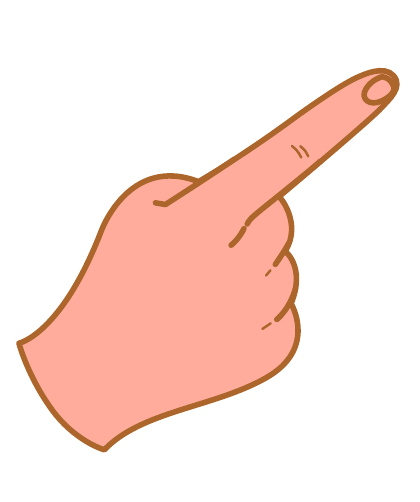 Handshape 1 Handshape 1 | /d/ · /p/ · /zh/ | do · pea · Zsa |
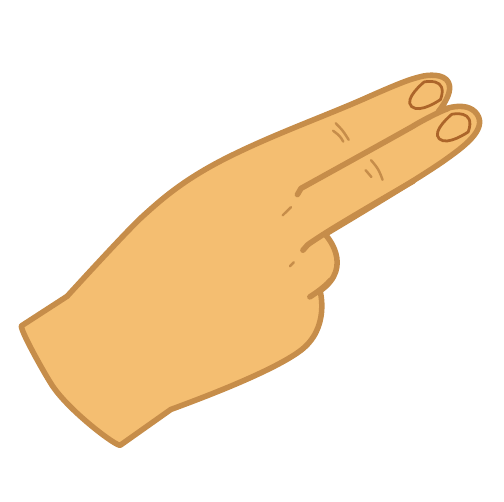 Handshape 2 Handshape 2 | /k/ · /TH/ · /v/ · /z/ | cake · the · vie · zoo |
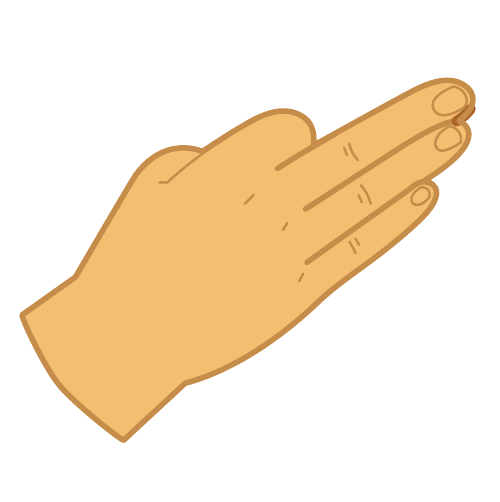 Handshape 3 Handshape 3 | /h/ · /r/ · /s/ | he · rah · see |
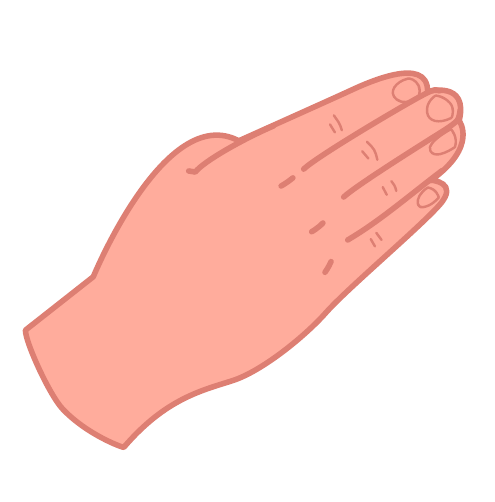 Handshape 4 Handshape 4 | /b/ · /n/ · /wh/ | bib · no · why |
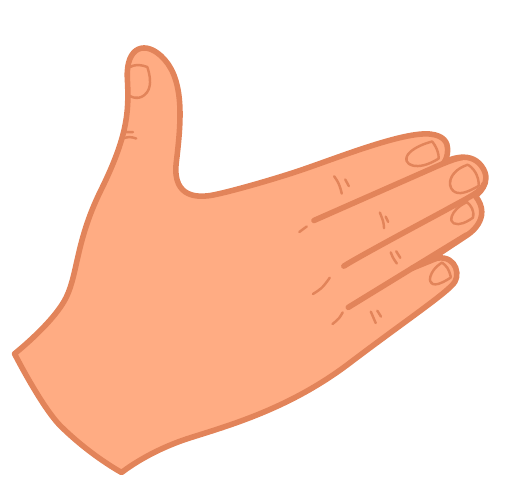 Handshape 5 Handshape 5 | /f/ · /m/ · /t/ | fee · me · to |
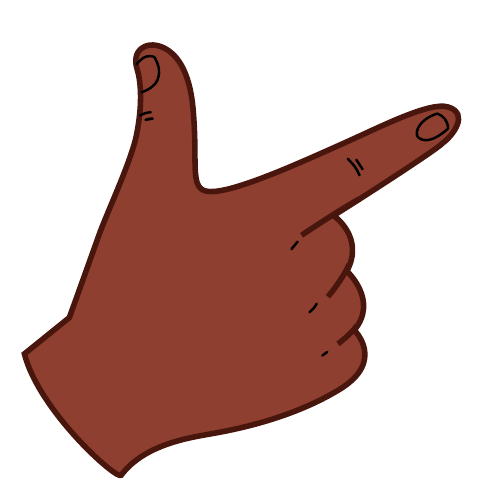 Handshape 6 Handshape 6 | /l/ · /sh/ · /w/ | loo · she · we |
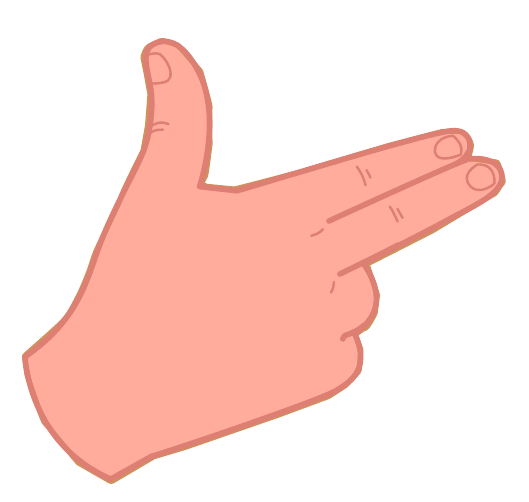 Handshape 7 Handshape 7 | /g/ · /j/ · /th/ | gig · jeep · thumb |
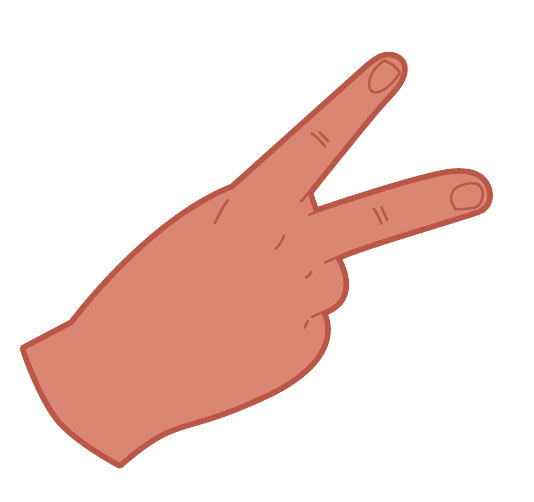 Handshape 8 Handshape 8 | /ch/ · /ng/ · /y/ | chew · young · you |
Handshape 5 is also used when no consonant precedes a vowel. Capital /TH/ means the sound in “the”; lowercase /th/ means the sound in “thumb”. The /wh/ distinction depends on the speaker’s pronunciation.
How consonant handshapes work
Each handshape represents a group of consonant sounds. Mouth information distinguishes sounds within the group; placement or movement contributes vowel information. The full cue combines all three elements.
For example, /d/, /p/, and /zh/ belong to handshape 1. The similar visible mouth patterns of /p/, /b/, and /m/ are paired with different handshapes: 1, 4, and 5. Recognizing the handshape is one part of reading the complete visual message.
Practice recognizing the groups
Compare the illustrations without memorizing numbers alone. Then try a visual challenge that asks you to connect an unnumbered hand to its sound group.