
LESSON 11 OF 12
Your objective
Distinguish /p/, /b/, and /m/ using hand information.
Understand the idea
Some consonants can be difficult to distinguish through mouth movements alone. For example, /p/, /b/, and /m/ have similar visible mouth patterns. They belong to different handshapes: /p/ is 1, /b/ is 4, and /m/ is 5.

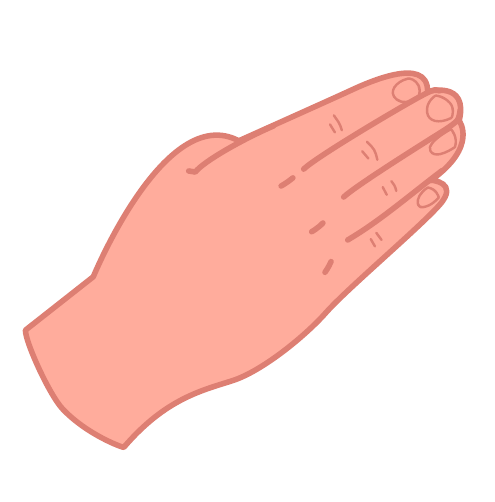

/p/ → 1 · /b/ → 4 · /m/ → 5
Hand information and mouth movement complement each other.
A connection to remember
/p/ uses 1, /b/ uses 4, and /m/ uses 5.
Check the connection
Which handshape represents /m/?
Show the answer
Handshape 5
/p/ uses 1, /b/ uses 4, and /m/ uses 5.
Put this idea into practice
Open the guided example and independent questions for this lesson. Your existing browser-local progress is kept.
Start the guided exercises →